



![[The Lunch Table] Dubai Chocolate Syndrome: When You Try to Be Everything at Once](https://qhsscardinalchronicles.com/wp-content/uploads/2026/02/the-lunch-table.png)
![[The Lunch Table] Milk before cereal? School life over social life?](https://qhsscardinalchronicles.com/wp-content/uploads/2026/02/screenshot-2025-10-17-at-9.26.03-pm-1200x1198.png)







Artificial Intelligence is but a dual edged sword. It has the ability to shape humanity for the better, but only if the wielder understands the gravity of the destruction it could cause if not utilized properly. In our case, as AI becomes more prevalent in our everyday working lives, the wielders of our dual edged sword are sadists. High school students nowadays that are considering different careers not only have to deal with salary and work life, but also the probability that AI could dismantle their job experience by the time they have to work.
Many people do tend to argue with the fact that the concept of AI has been here for years, if not decades now and hasn’t had such a negative impact. This is true, so let’s give a nod to the fact that AI was used in jobs before to do menial and repetitive tasks before the public release of generative AI. There are a number of companies that, after introducing robots to their workflow, increased revenue for the overall company as well as introducing new jobs. One of these companies is Bosch– a German manufacturing company specializing in creating steering controls. Once they started using automated robots for the production process in 2018, 20,000 new jobs were created in response for replacement jobs as well as new jobs, such as taking care of automation and more focus on logistics and marketing of the company business.
There is a clear difference between automation and generative AI, however. Automation is simply just programming AI to do repetitive, boring or even dangerous tasks that humans might not want to do, if even possible for said job. In contrast, generative AI tries to replicate human intelligence and creativity using ones and zeros to replicate forms of human expression, such as summaries, essays, stories– and other forms of writing. Drawing, music– and other forms of human expression. This replication is cheap enough to replace thousands of workers with human minds each year, every year, like we are seeing today. Yet, it cannot match the quality of the work of humans, and we are seeing that issue affect industries and people worldwide. According to The Staffing Industry, it is noted that 30% of workers in 2024 got laid off and were replaced by AI. This number is only bound to increase further, even despite the various drawbacks to be listed.
Now, let’s see some incoming effects that could affect you, the reader, in the near future.
Nowadays,marketers of companies use the power of AI to understand what they need to tailor their social media posts, emails, and other advertisements to get to more people with a higher chance of looking into their company outside of a basic scope. For example, a company that has products promoting healthy habits can now use AI to know that they don’t have to only focus on people who might diet– they might look at people who do yoga, people who cook healthy meals– or they can be even more specific, with them looking into creators that profit off of promoting healthy habits themselves. At face value, it seems that AI is doing stellar at this job, however, there is a great amount of underlying issues that AI either created or made worse that not many talk about. These include:
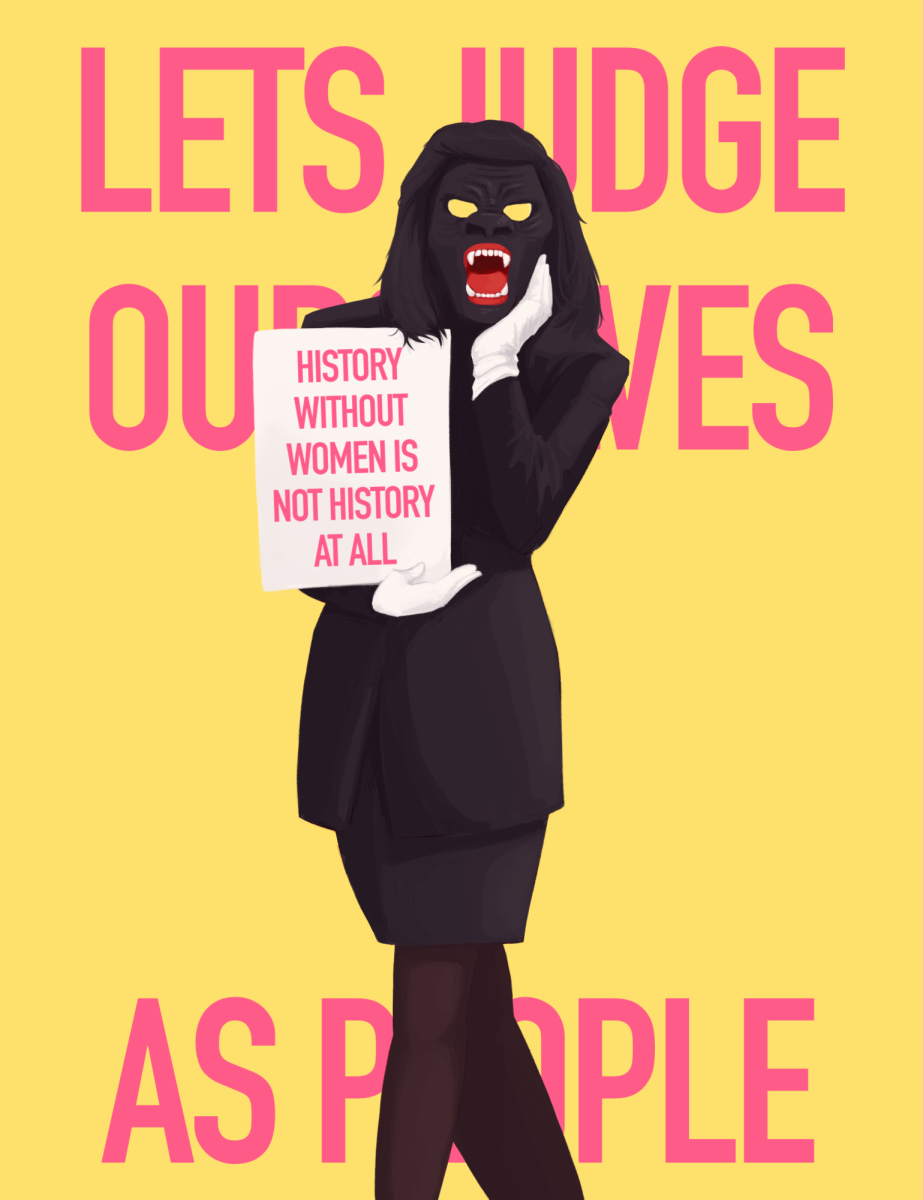
- Promoting stereotypes, such as oversexualizing women or considering certain races in certain jobs, which can lead to less diversity in certain job fields.
- Infringing and stealing intellectual material for artists, which can compromise millions of artist jobs, and also copyright claims by said artists.
When thinking about potential careers for teenagers, the publishing industry usually isn’t one that comes to mind. compared to other industries in the modern day. Yet it is a widespread industry that often does not get the credit that it deserves. It supports writers planning to publish their works to people around the globe by allowing publishers to prove that their work, their scientific paper, their book, is worthy of publishing and later funding these writers once their works get published. AI is starting to be used to review these works, which have risks in itself. For example, AI is only trained with all the information that humans train it to know, meaning that when it comes across new information (found in things such as scientific research), it can see it as something to remove, which is not the goal. The information used by the AI can also infringe on privacy from other writers. Implementing AI despite the risks of not having a proper read through of AI’s feedback can make or break someone’s opportunity to change the world and their own life and other people’s lives. This very someone could be you. Is it worth the gamble?
AI is even affecting the medical industry. Many psychologists are considering the benefits and limitations of AI-based verbal therapy. It is noted that AI is able to notice sudden changes in behavior that may be linked to mental decline and reach out to human professionals for potential treatments to the individual. However, AI doesn’t understand the nuance of human behavior and the fact that certain behaviors change due to environmental changes rather than mental decline, leading to false positives and negatives. Snowballing into something that can not only affect psychologists with their work in helping that person and their family, but also physicians with the fact that mental health will affect physical health, leading to short term struggles such as high blood pressure and long term effects such as heart diseases. With more and more people struggling mentally, using AI as a crutch can bring more harm than good for the medical industry.
AI is here to stay. It is a fact that everyone has to admit, even with all of AI’s drawbacks. The lack of human ingenuity, generative/modern AI can only do so much for these fields before it becomes too good to be true. However, there are definitely ways for AI to be used in the right direction. For example, use AI to think about a new direction a company could go. Use AI for clever impacts you can put in your research paper. You know, you can even ask AI itself how we can implement AI in a healthy way.