




![[The Lunch Table] Dubai Chocolate Syndrome: When You Try to Be Everything at Once](https://qhsscardinalchronicles.com/wp-content/uploads/2026/02/the-lunch-table.png)
![[The Lunch Table] Milk before cereal? School life over social life?](https://qhsscardinalchronicles.com/wp-content/uploads/2026/02/screenshot-2025-10-17-at-9.26.03-pm-1200x1198.png)













As the leaves fall or flowers bloom, not only do the seasons change but so do people. The mind’s subconscious has different ways of functioning. Just changing seasons is enough for people’s brains to react and behave differently.
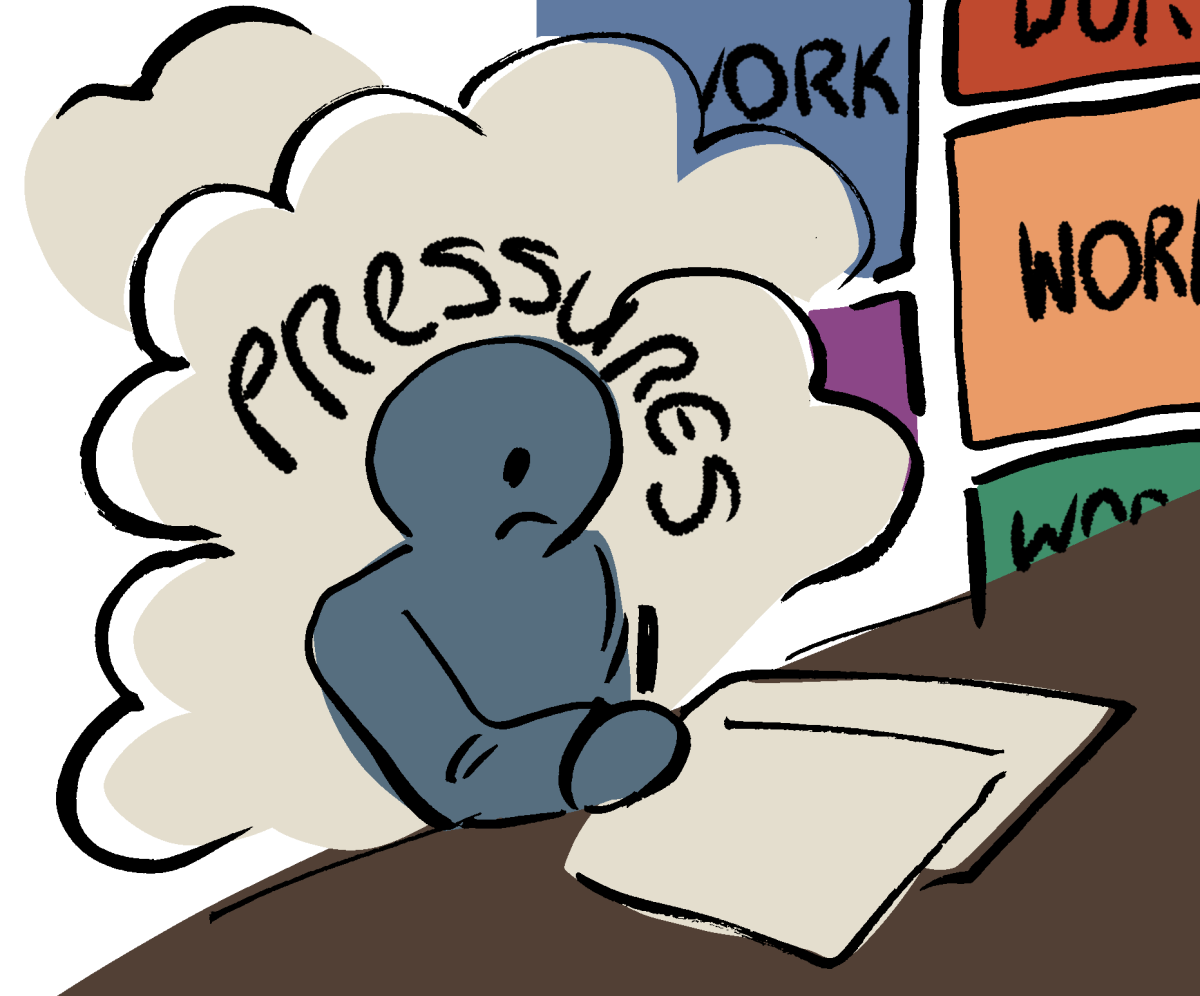
Major life decisions such as college applications can deepen mental strain and further fatigue during spring. Surely, seasonal allergies would also add strain on a student’s energy levels during this time. Students constantly endure stress and try to create a work-life balance. With the daily stresses of student life, the commute to and from school, extracurricular activities, and studies, it’s normal for students to have difficulty keeping up with a fast-paced society. However, while it is normal for students and teens to experience mood swings, it is important to recognize whether the changes in behavior are also due to seasonal changes.
Seasonal affective disorder (SAD) is a seasonal depression that occurs around the same time every year. Common symptoms of SAD include fatigue, feeling slowed down, difficulty concentrating or making decisions, or experiencing changes in sleep or appetite.
There are two types of SAD: winter depression and summer depression. Winter-pattern SAD, which is more common than summer-pattern SAD,. Those with winter-pattern SAD may experience additional symptoms such as hypersomnia (oversleeping) and overeating. The shorter days and decreased daylight of winter are said to alters brain chemistry and cause SAD . When it’s dark, the body naturally produces more melatonin, a sleep-related hormone that may disrupt its natural sleep-wake cycle. Sunlight also helps regulate serotonin, a chemical that affects mood and happiness, therefore less sunlight can lead to a reduction in serotonin, contributing to this seasonal depression. However, the causes of SAD are not explicit yet. In contrast, those with summer-pattern SAD may experience insomnia (trouble sleeping) and poor appetite. They may also have reduced melatonin levels, leading to worsening sleep quality.
SAD can be treated through light therapy, psychotherapy, antidepressant medication, or sunlight. SAD has noticeable impacts on daily life, which may seem unimportant but can interfere with one’s work, relationships, and overall quality of life.
Winter and spring are different in their respective ways, especially in the way people react to them. When the temperature becomes warmer and the trees start to blossom with flowers, the arrival of spring is here. With the coming of spring, people psychologically link it to new beginnings and a time of renewal.
The increase in nature has a therapeutic effect, as studies suggest that engaging with nature may reduce cortisol levels, a stress hormone. Spending time in nature can also increase endorphin levels and dopamine, which can improve people’s moods and relieve anxiety. Warmer temperatures and increased sunlight can also promote physical activity, releasing endorphins and benefiting one’s mental health.
SAD is not as common among teens as it is among adults. However, teens are equally as susceptible to SAD as adults, and it can interfere with a student’s social interactions, school performance, as well as overall mental health and well-being. School and education play a crucial role in a child’s upbringing. Still, depression, precisely due to seasonal changes, can hinder a student’s development as it negatively impacts their motivation, concentration, engagement in learning, and cognitive and social development in school.
Several students are constantly dealing with the pressure of school, trying to meet others and their expectations, trying to succeed in a competitive environment, experiencing fears of failure, and developing anxiety due to school. Not only are these coping methods helpful for SAD, but they can also help manage a student’s anxieties and challenges. To cope with these seasonal changes, people should take in more sunlight, spend time outside, and exercise to boost energy levels. They should also spend time with friends and family to avoid feelings of isolation. Individuals should adjust their sleeping habits to accommodate the longer daylight hours in the spring. Eating vegetables and fruits that are in season will also enable someone to enjoy diversified and nutritious meals. If mood disorders and seasonal depression become unmanageable, consider consulting a doctor or therapist. Students can specifically build a supportive network and reach out to their teachers, family, and trusted friends to help guide and accommodate them through coping with SAD.
Most people equate positive feelings to spring, however there are several downfalls that may arise from spring. People may experience depression not only from winter-pattern SAD, but also from summer-pattern SAD and during springtime. For example, the increased pollen count can create a negative and uncomfortable environment for people with allergies, thus damaging their mental and physical well-being by making them feel lethargic. Furthermore, research shows an increase in depressive episodes and mania, as well as suicide rates. The National Institutes of Health (NIH) linked the increase in suicide in spring and the worsening of mood to conclude that the increase in suicide is caused by the seasonal factor that influences mood disorder in spring. Some professionals also believe that the increase in sunlight leads to more disturbances in one’s circadian rhythm. The change of seasons can also lead to an individual feeling more anxious. Specifically for students, the stress of exams often overlaps with the spring season, which can lead to increased feelings of anxiety.
Whether the temperature reaches its highest or the animals go into hibernation, seasonal changes can teach people important lessons about their behavior and interests while providing them with new outlooks on life.