



![[The Lunch Table] Dubai Chocolate Syndrome: When You Try to Be Everything at Once](https://qhsscardinalchronicles.com/wp-content/uploads/2026/02/the-lunch-table.png)
![[The Lunch Table] Milk before cereal? School life over social life?](https://qhsscardinalchronicles.com/wp-content/uploads/2026/02/screenshot-2025-10-17-at-9.26.03-pm-1200x1198.png)
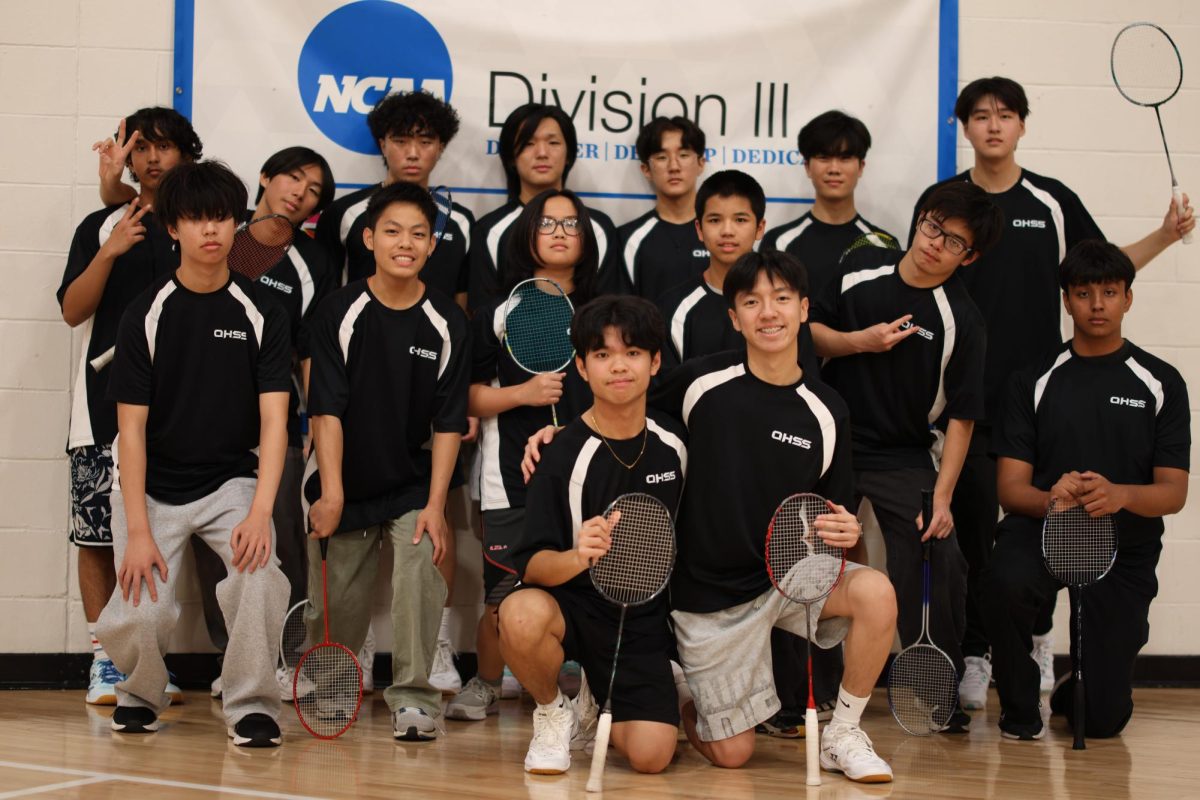
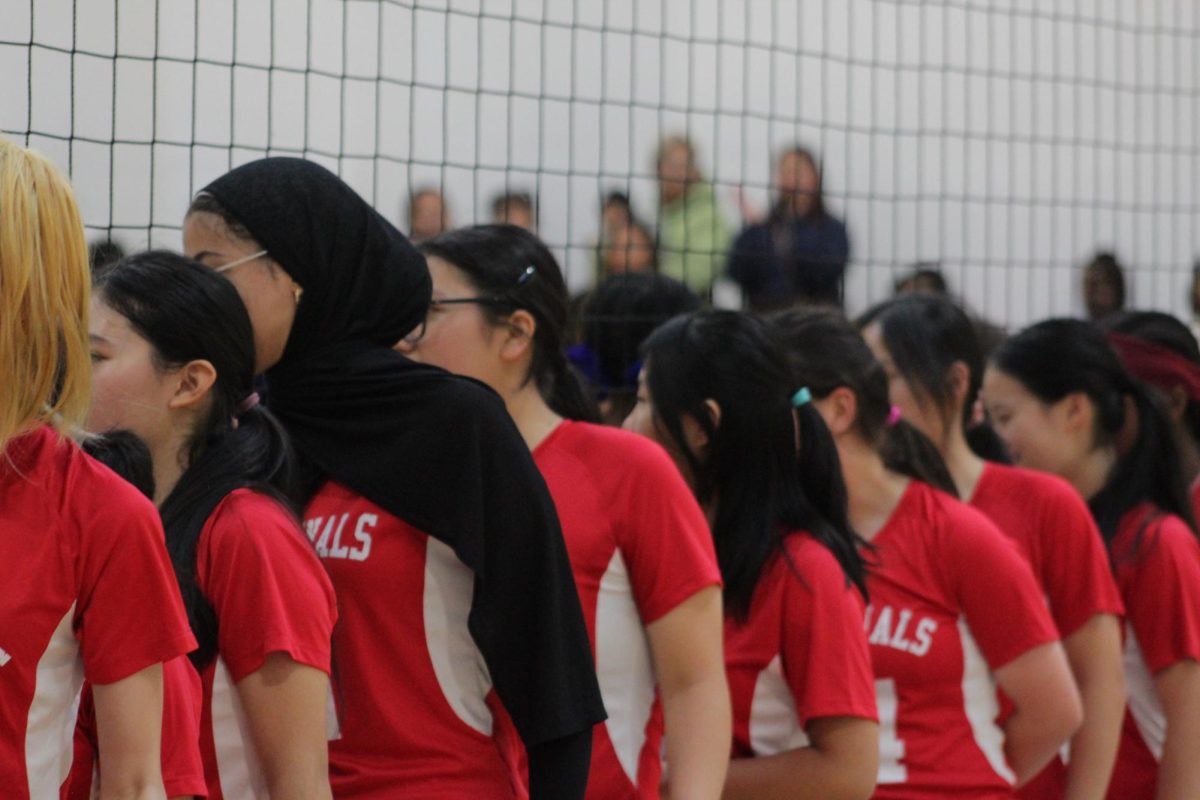
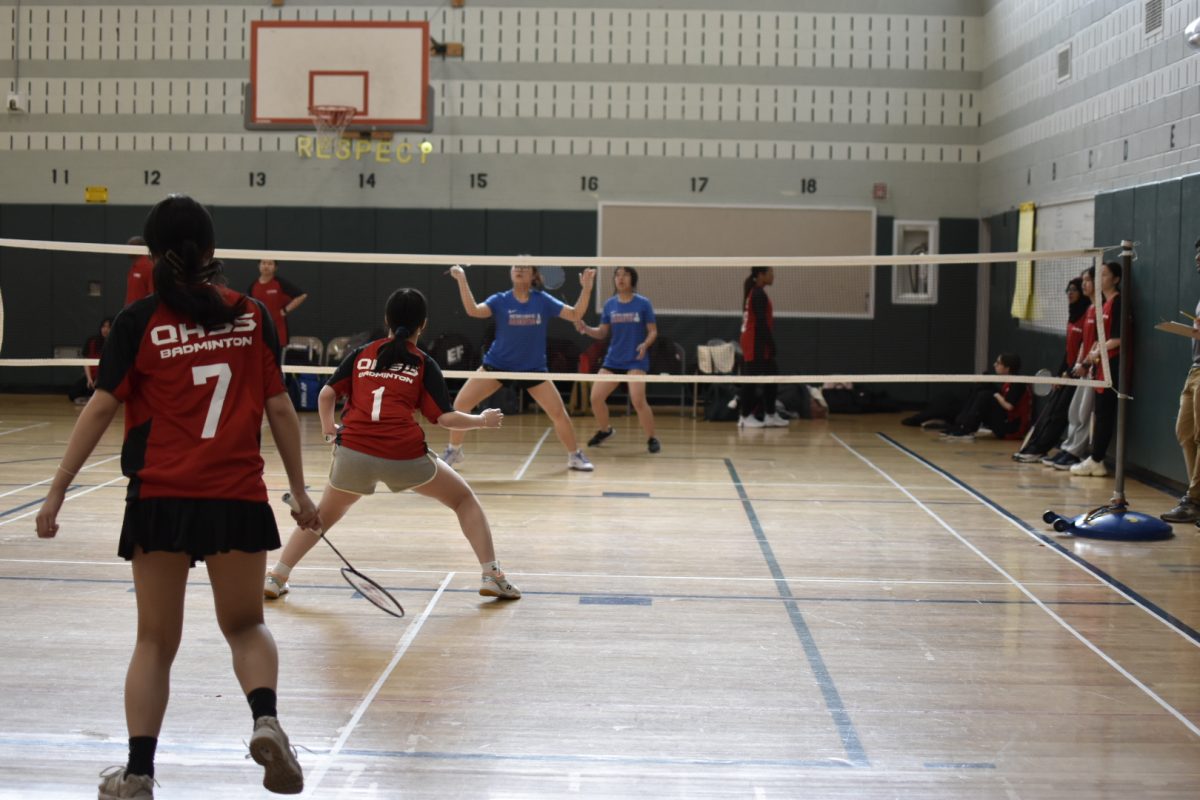

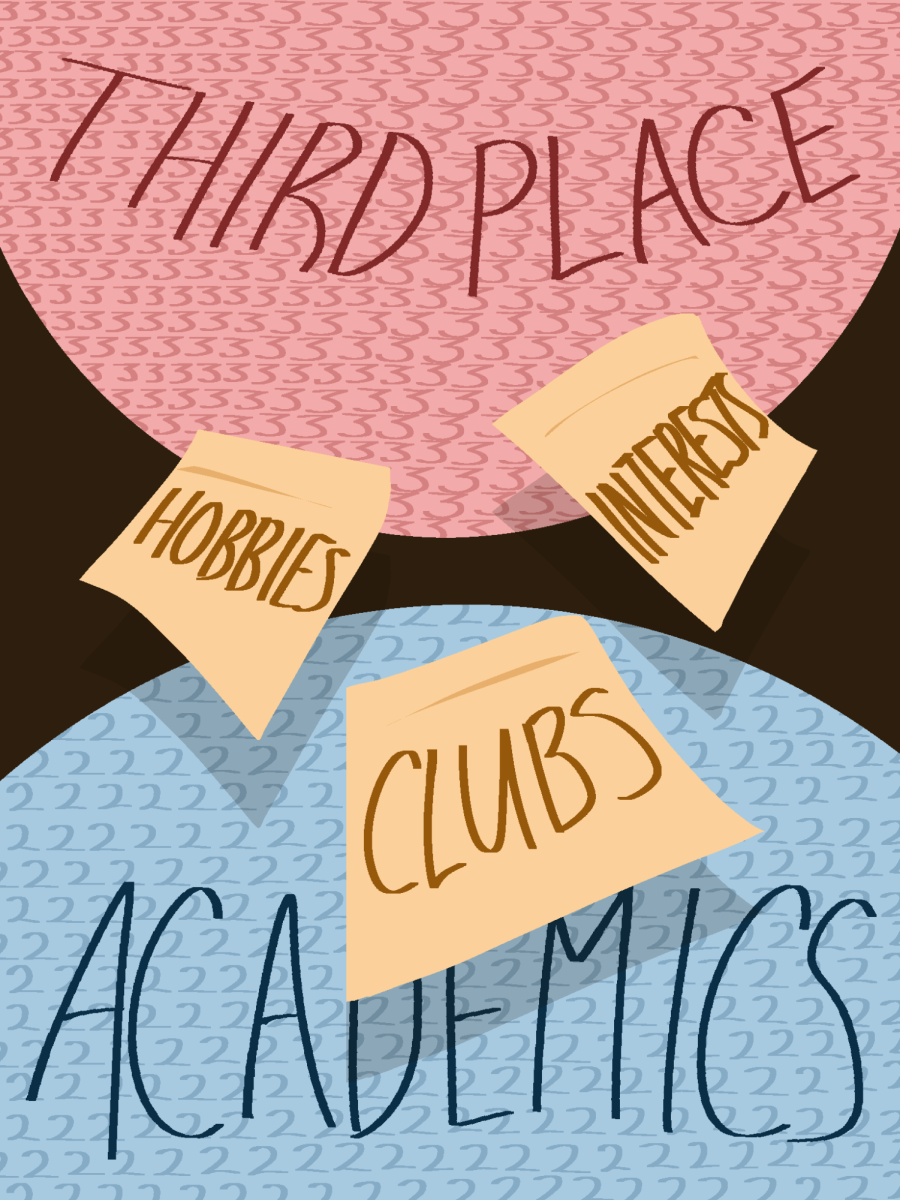
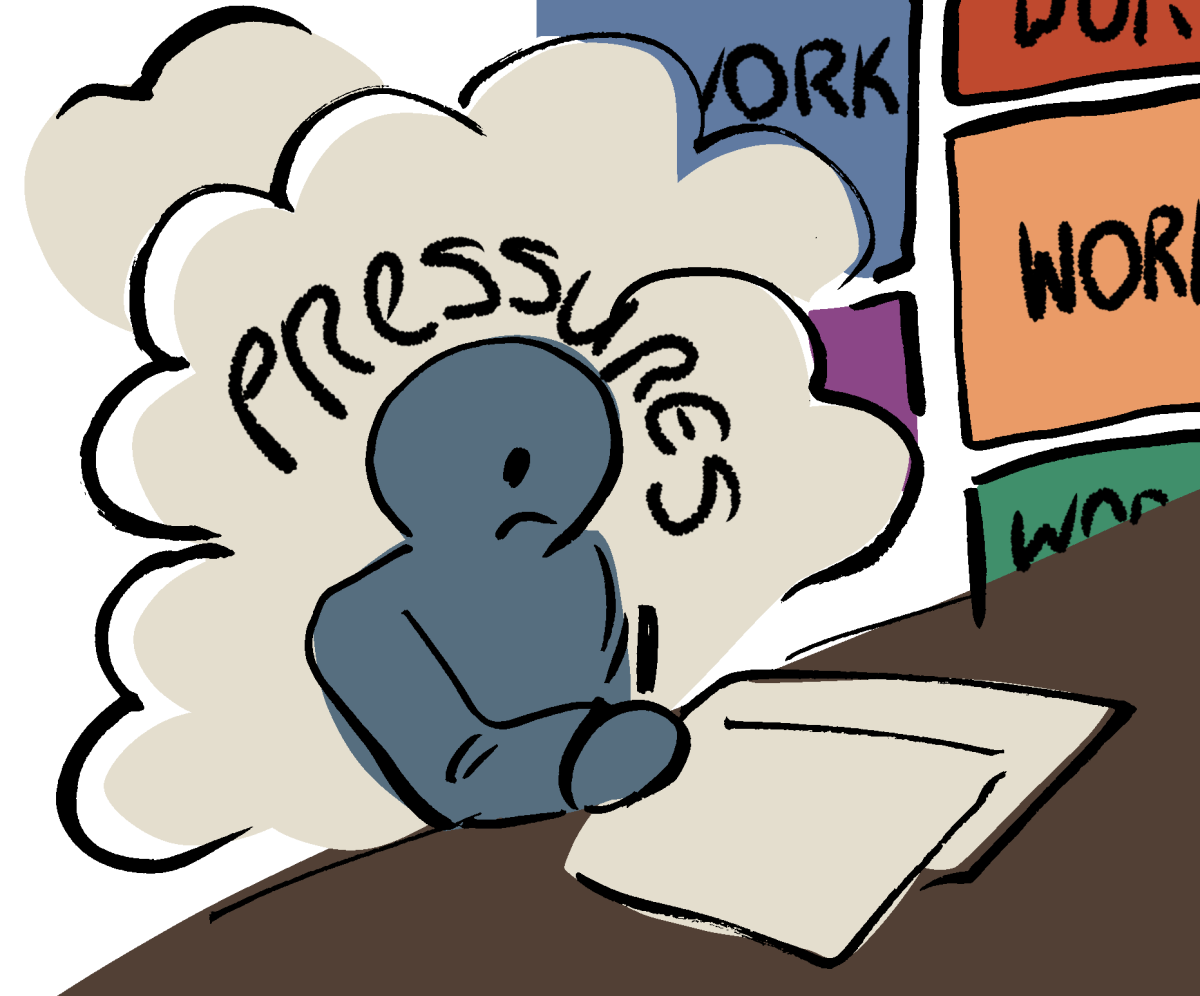



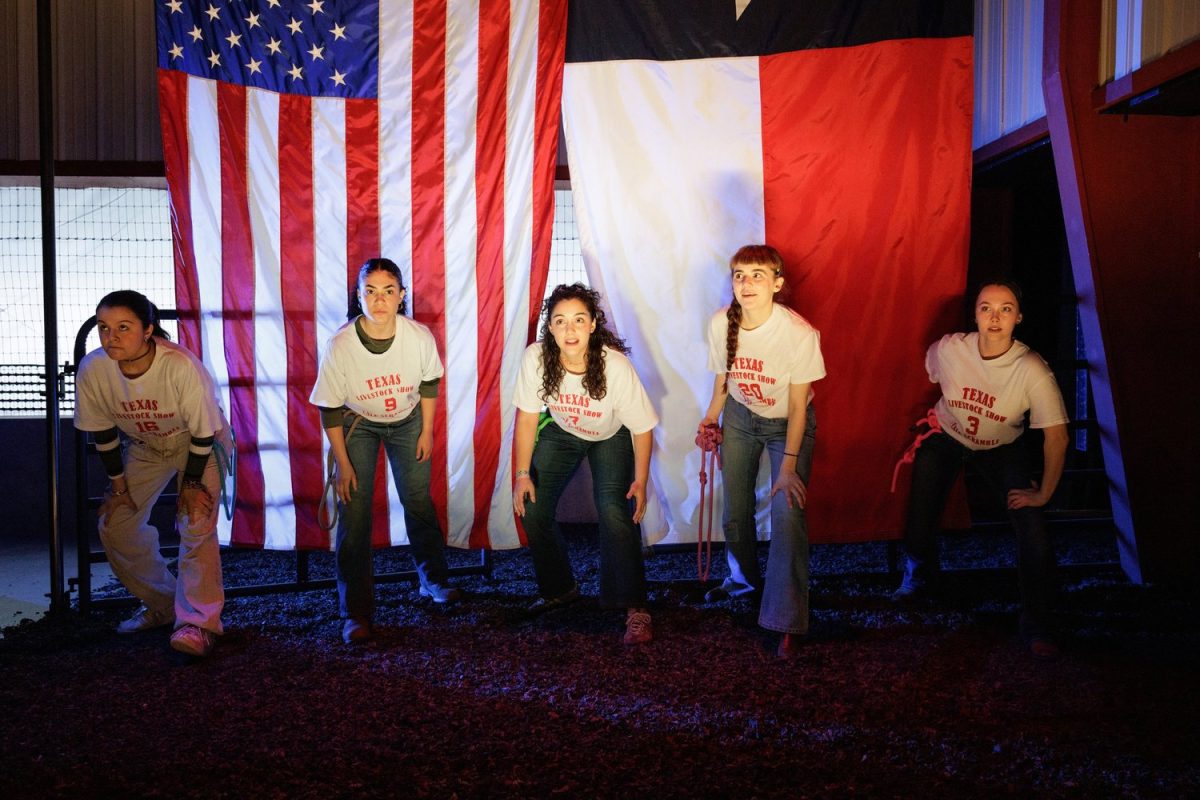


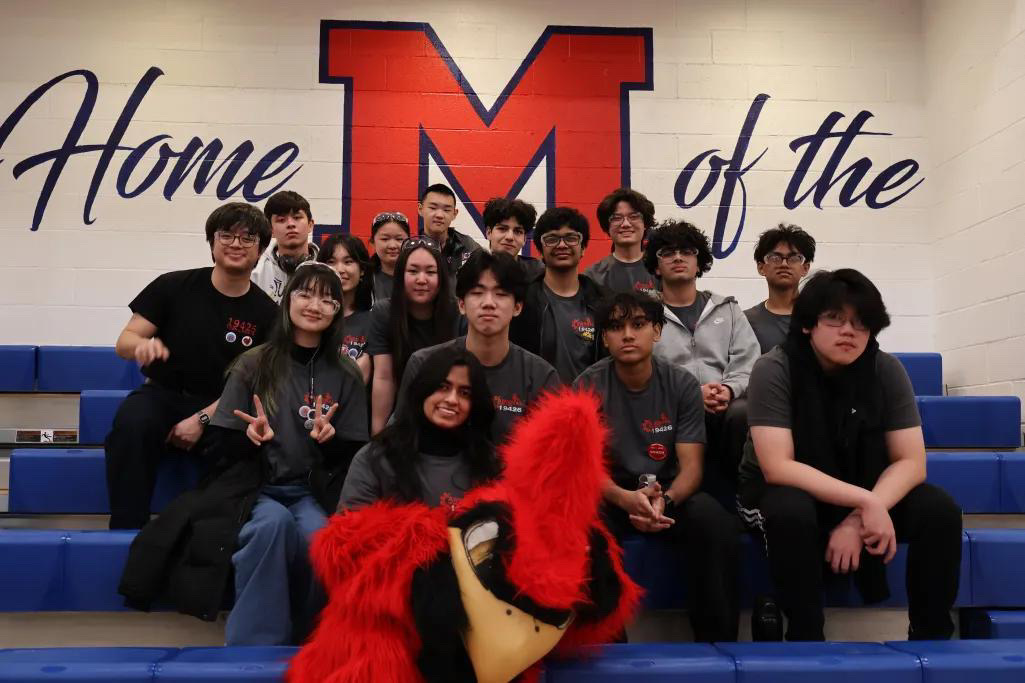

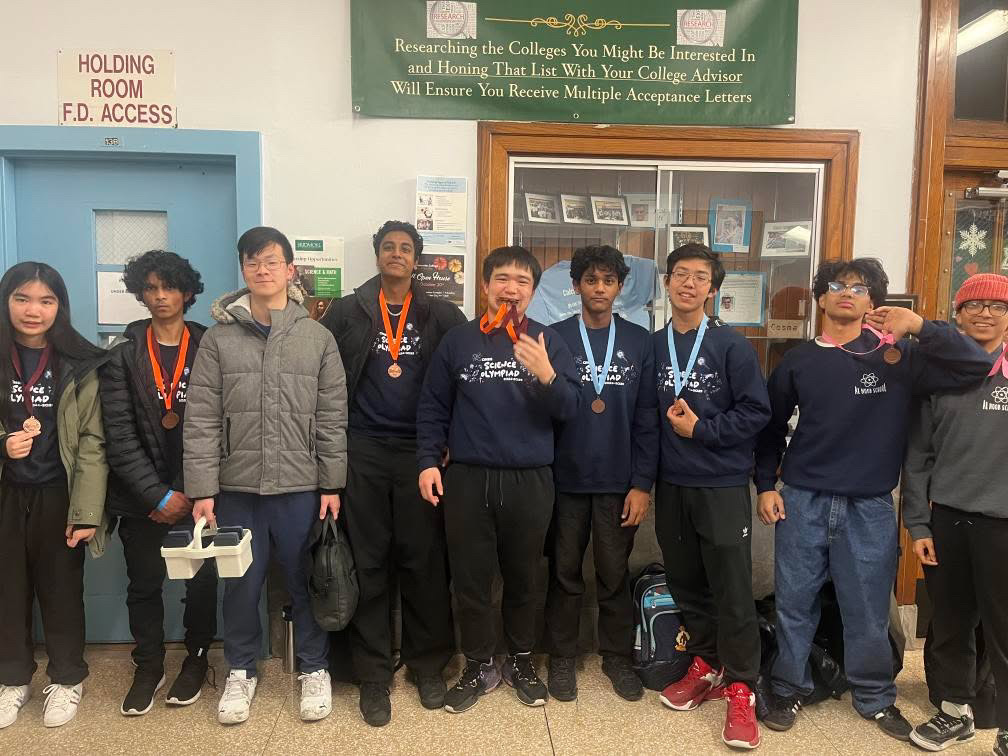
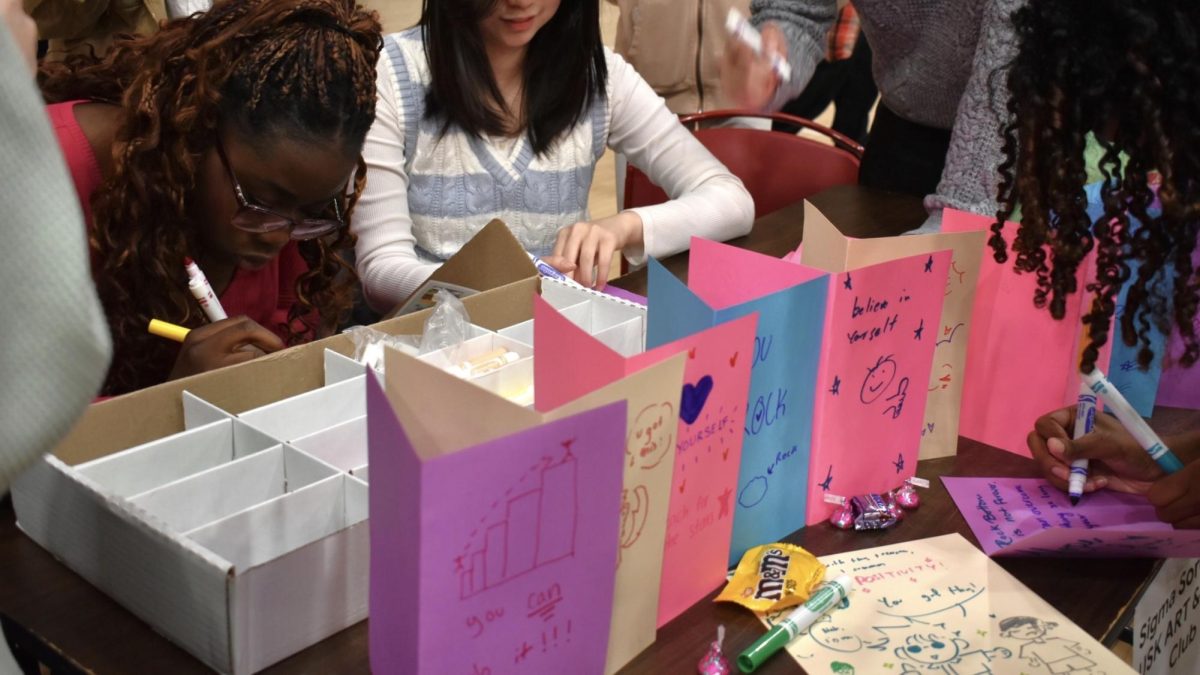
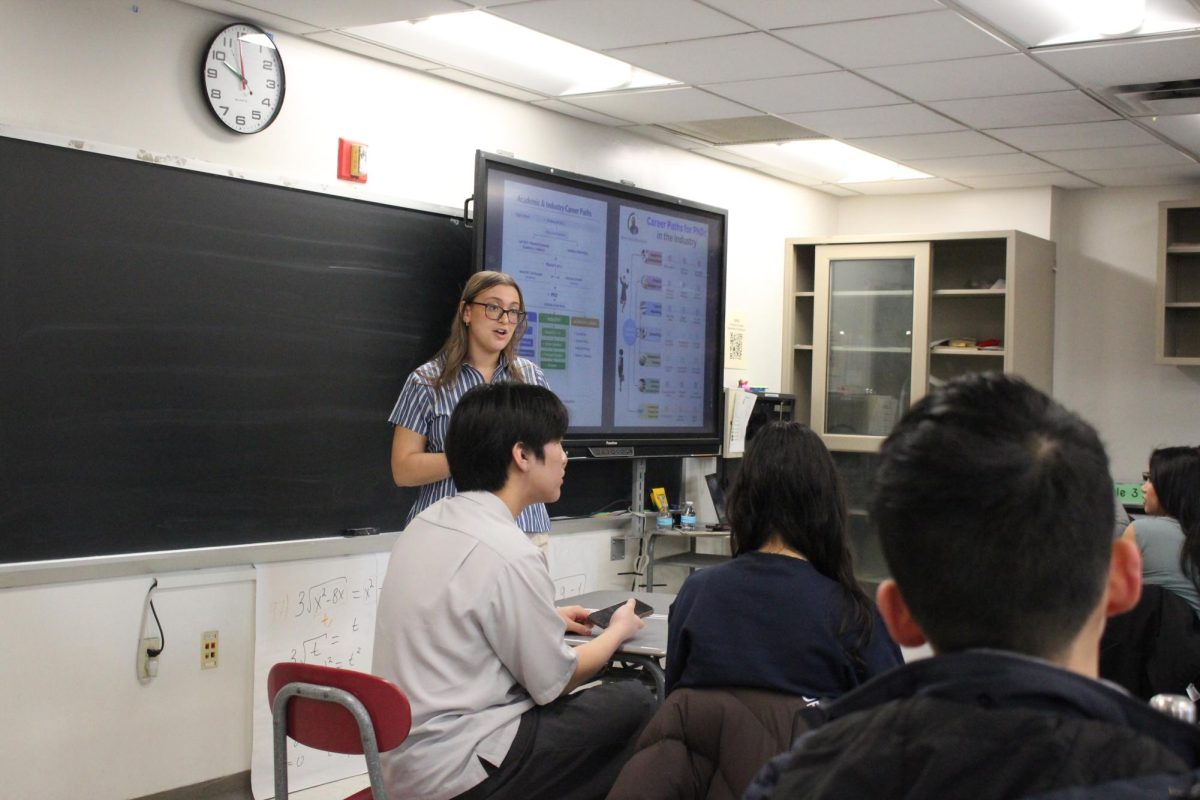
Clubs are a unique “third space” that schools provide that can cater to the elaborate passions students share and allow many to pursue their interests to a greater extent. This can create a broader sense of school spirit, and get people enthusiastic about building communities. But what happens when the intentions behind joining clubs are driven by external pressures, like college applications and impressive awards to add to a resume?
“I felt pressure to join clubs due to college applications,” senior and K-Pop Club president Katelyn Oh states. They are one of many students who feel this way. We all know clubs are impressive résumé builders come college application time, yet have these clubs cultivated identities of their own? In general, clubs with a distinct atmosphere that truly resonate with students are able to produce a strong club culture. However, many clubs at QHSS seem to focus more on how they appear on college applications than on developing a specific identity or sense of community.
The school’s club offerings have largely catered to student interests. “I was in debate in middle school, and I just wanted to continue that in high school,” one freshman reveals. QHSS has largely succeeded in allowing students to channel their passions into various clubs, although some feel that they “wish there was a greater variety of clubs to choose from.” Clubs play an important role in maintaining friendships and shared bonds; however, the most popular clubs among the student body tend to be the ones that look best on a résumé. Career-oriented and competitive clubs, such as DECA and HOSA appear to garner the most popularity and continued success at QHSS.
These complaints and potential detriments to club culture can be attributed to several factors. The reason students feel conflicted between choosing clubs that genuinely align with their interests vs those that are resume building may stem from QHSS being a small, highly competitive environment.
These restrictions are not only harmful to the students who organize the club and advisors, but also students looking for clubs to join. If certain clubs are more heavily invested in, they can garner more support and a good reputation, subconsciously swaying students towards a certain club because they see it as favored by the school, their friends, or both. Flexibility from the school could ensure each club has the same opportunities and not cause students to feel Currently, QHSS favors certain clubs over others and to ensure that students are prioritizing their own interests and making the biggest impact possible, we need to prioritize opening up the groups of students that clubs cater to by providing equitable opportunities to each club.
It is clear that the external pressure associated with attending a specialized high school has the potential to harm QHSS’s club culture. Students with cultural interests and unique passions may struggle to fully express themselves in an environment that prioritizes college and career readiness over authentic club identities. In order to mitigate this and provide students with a vital “third space” where they can freely explore their passions, each club must receive equitable time, effort, and attention from administration. This allows every student to see their passions represented in our variety of afterschool clubs and provide a welcoming environment to encourage everyone to generate a collective school spirit.