

![[The Lunch Table] Dubai Chocolate Syndrome: When You Try to Be Everything at Once](https://qhsscardinalchronicles.com/wp-content/uploads/2026/02/the-lunch-table.png)
![[The Lunch Table] Milk before cereal? School life over social life?](https://qhsscardinalchronicles.com/wp-content/uploads/2026/02/screenshot-2025-10-17-at-9.26.03-pm-1200x1198.png)











Throughout generations, many people are put through the educational system, to learn, graduate and later pursue their careers. However, in a system that has existed over centuries, people wonder if the education system can truly create free minded thinkers. With such an old educational system and evolving societal norms, the problem has many different factors.
The Pressure of Exams
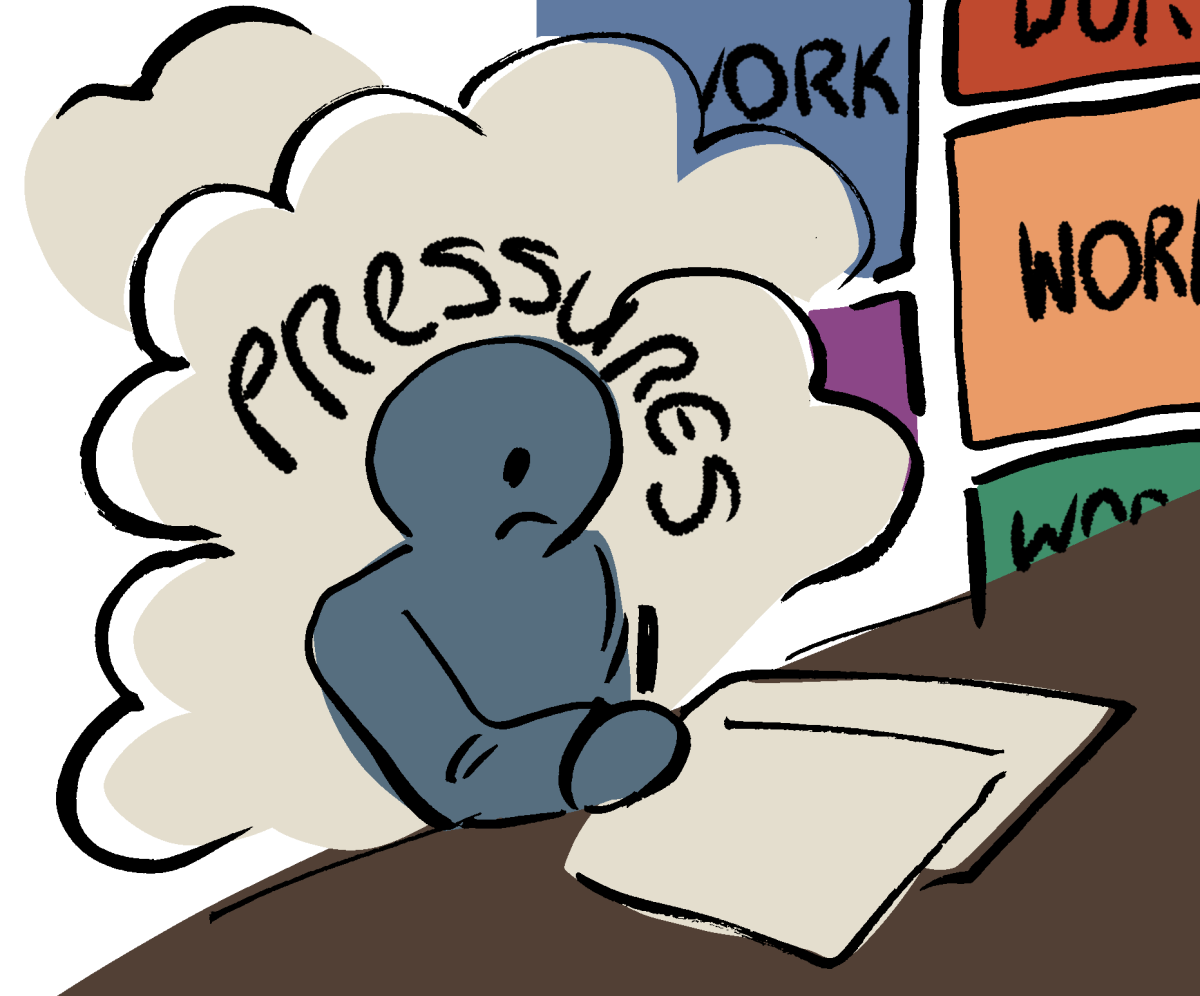
One aspect of this when discussing the quality and effectiveness of education is the overwhelming amount of exams. Educational systems often treat exams as the end goal, not as a tool used for improvement.
The arbitrary score students receive is based solely on the number of questions answered correctly, with the expectation that they achieve 80–90% accuracy—often on their first attempt and under intense pressure—for their performance to be considered acceptable or indicative of mastery. As a result, students end up learning to perform on the test instead of trying to connect real life applications and fostering curiosity.
“Due to pressure and risk of harming my grades, exams cause me to only study for the sake of memorization. Post exam, I can rarely apply the concepts I learned because I didn’t truly understand or retain that information.” Vaishali Vinobaharan, a sophomore at QHSS, explains.
Alternatively, students may resort to cheating or taking shortcuts to meet performance expectations, thereby losing the supposed benefit of knowing how to study, a skill that is immensely valuable in future academic endeavors.
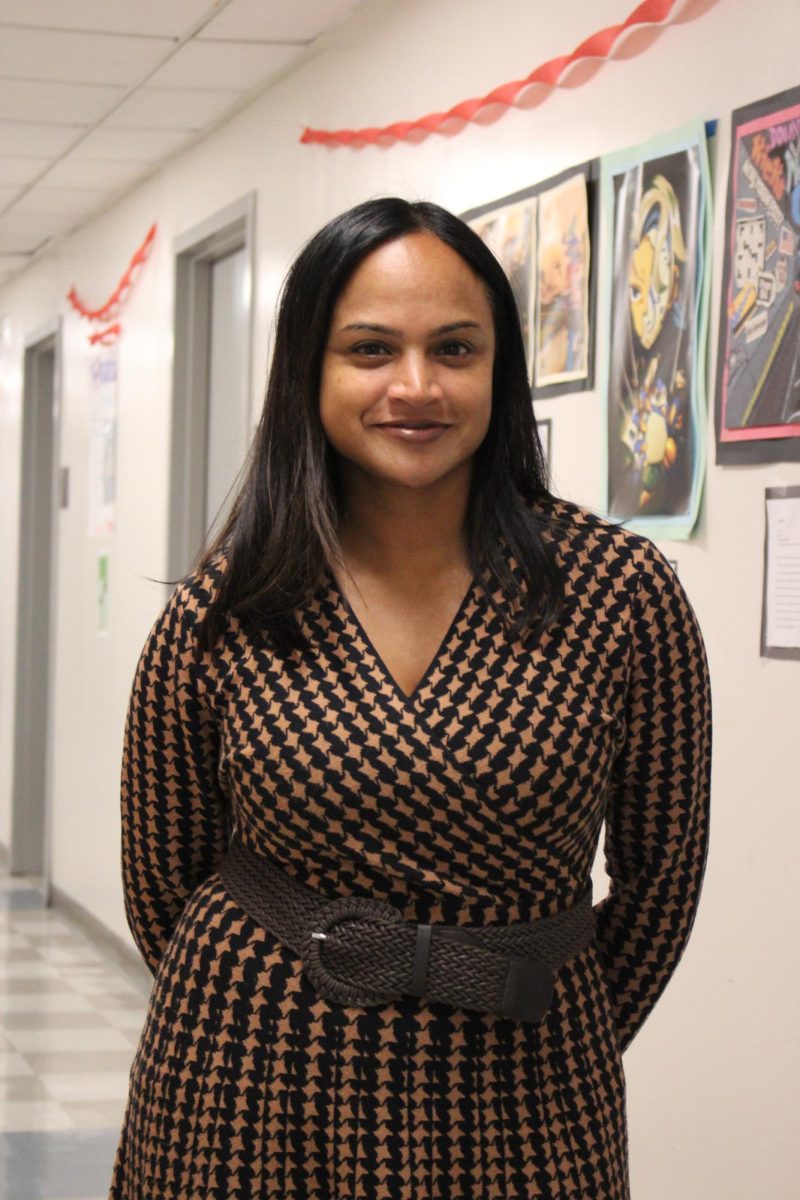
Such extreme measures can be attributed to the sheer volume of curriculum teachers are required to cover each year. Because many courses are tied to standardized exams (e.g. Regents, AP tests), students’ scores are often treated as reflections of teacher performance. In efforts to cover everything within 48 minute periods, teachers have little choice but to rush through material, offering minimal explanation. As Mr. Thornhill, a social studies teacher at QHSS, notes that “The school system wants to create free thinkers but most of the curriculum is tightly packed so it is up to the teacher to add these critical thinking access.” This burdens students with insufficient time to meaningfully process information, forcing them to engage with the material at a surface level.
Socioeconomic Status Influence on Students Educational Outcomes
However, exams aren’t the only thing to blame for the educational outcomes for students as there are many societal factors beyond the education system’s control. According to the New York City Department of Education, over 75% of students were economically disadvantaged. Financial struggles can often hinder education outcomes by leaving students without a stable environment at home or the necessary resources to succeed.
“If you’re thinking about your next meal, it is hard to catch up. If students are in a segregated neighborhood, when there is hunger in children, parents having jobs, they all play a role in the school system,” Mr. Thornhill reflects. “The students are a product of the environment they grew up in, it’s not just the school system.”
When parents are forced to work multiple jobs to meet basic needs, their focus understandably shifts to survival—putting food on the table and paying bills—often leaving limited time or energy to engage with their child’s education. Yet meaningful educational success requires collaboration between both parents and teachers. When parental involvement is constrained by economic pressures, students’ academic outcomes are affected in ways that teachers alone cannot control.
Final Thoughts
Improvements to the education system should not center on whether students score well, but on what kind of thinkers the system ultimately produces. When success is defined by speed, accuracy, and compliance with standardized measures, schools risk training students to optimize for approval rather than understanding. In this model, curiosity becomes secondary to efficiency, and learning is reduced to output.
Yet the responsibility for educational outcomes does not belong to schools alone. Students arrive in classrooms shaped by economic instability, family responsibilities, and unequal access to time and resources—factors that no exam reform can fully correct. Expecting schools to compensate for these conditions without broader support oversimplifies a deeply structural issue.
If the goal is to cultivate critical thinkers rather than factory-ready performers, education must be understood as a shared social investment. Schools should create more project based assessments that foster critical thinking rather than creating a high stakes multiple choice exam that students bubble in over a Scantron. Schools can also create space for inquiry and relevance, but lasting intellectual engagement depends on conditions beyond the classroom. Until success is measured by depth of thought rather than numerical performance, the system will continue to reward efficiency over understanding.