


![[The Lunch Table] Dubai Chocolate Syndrome: When You Try to Be Everything at Once](https://qhsscardinalchronicles.com/wp-content/uploads/2026/02/the-lunch-table.png)
![[The Lunch Table] Milk before cereal? School life over social life?](https://qhsscardinalchronicles.com/wp-content/uploads/2026/02/screenshot-2025-10-17-at-9.26.03-pm-1200x1198.png)
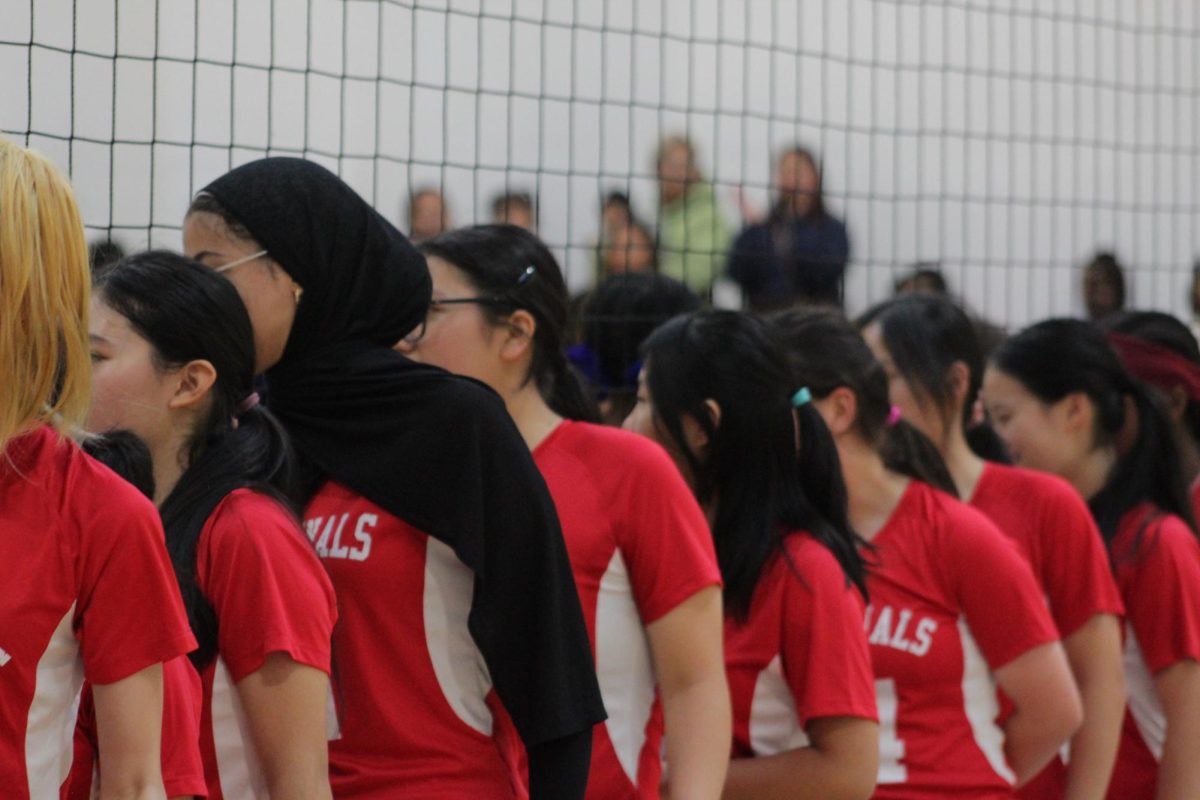









For many students, school has always been a place of learning, never belonging. And in those moments of solitude, it is often that we question where we fit, which part of ourselves we can show, and how our stories fit into a bigger world. Sophomore Roopjit Kaur personally recognized this issue in the South Asian community in QHSS, advocated for a safe place for South Asians, and founded QHSS’s South Asian Culture Club (SACC).
SACC made its late debut in late November, finally arriving as our school’s first club dedicated to South Asian cultural appreciation. Created in response to the overlooked and oversimplified narratives of South Asian culture, SACC aims to represent South Asian identities at QHSS. Roopjit describes her process in founding the club as beginning with multiple student concerns raised to her about the lack of South Asian representation in Asian Appreciation Association (AAA) and in other school activities overall. Taking these concerns seriously, she brought them to the administration and advocated for the broader South Asian student community at QHSS. Kaur framed her efforts as arising not only from her official role and responsibilities as an SGO member, but also from “a personal, deeply felt commitment to ensure that [her] people—[her] community—received proper representation and that their voices are heard.”
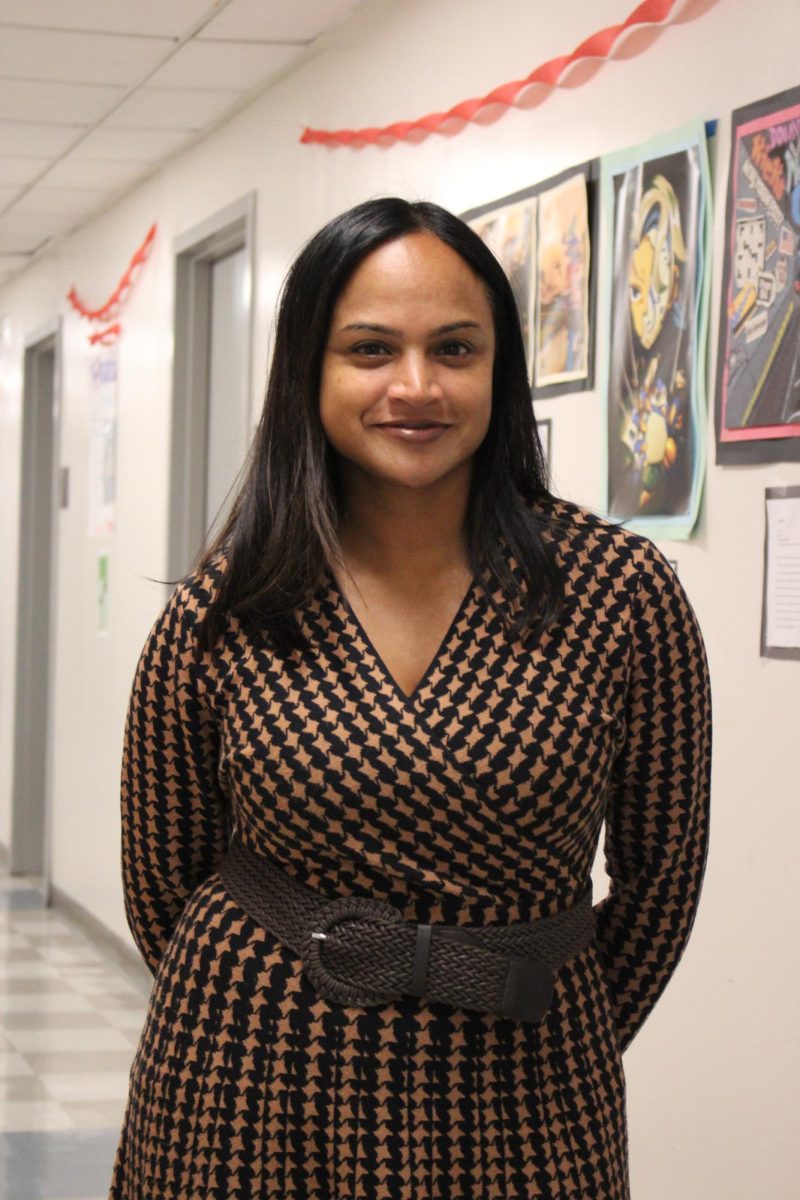
Dr. Prince further emphasized the diversity of Asia, pointing to the vast range of languages, religions, and cultural practices that exist across the continent. She noted that upon hearing varied student feedback and concern about the struggle of representation, and that the proposal of a club dedicated to South Asian heritage would allow South Asian culture to be more accurately respected. Dr. Prince also expressed similar sentiments regarding East Asian communities, acknowledging that East Asian identities, traditions, and experiences are also distinct. She mentioned that recognizing these differences was necessary to ensure that all students felt seen and represented appropriately.
Thus, as a result of these discussions, AAA was restructured into three distinct subcommittees: the South Asian Culture Club (SACC), the new East Asian Culture Club (EACC), and the already existing Chinese Culture Club (CCC), allowing each community to be more accurately and respectfully represented.
In her pursuit to represent South Asian culture, President Roopjit Kaur emphasizes her hope for SACC to be a place where anyone, South Asian or not, can walk in and feel like their curiosity, their identity, and their questions matter.
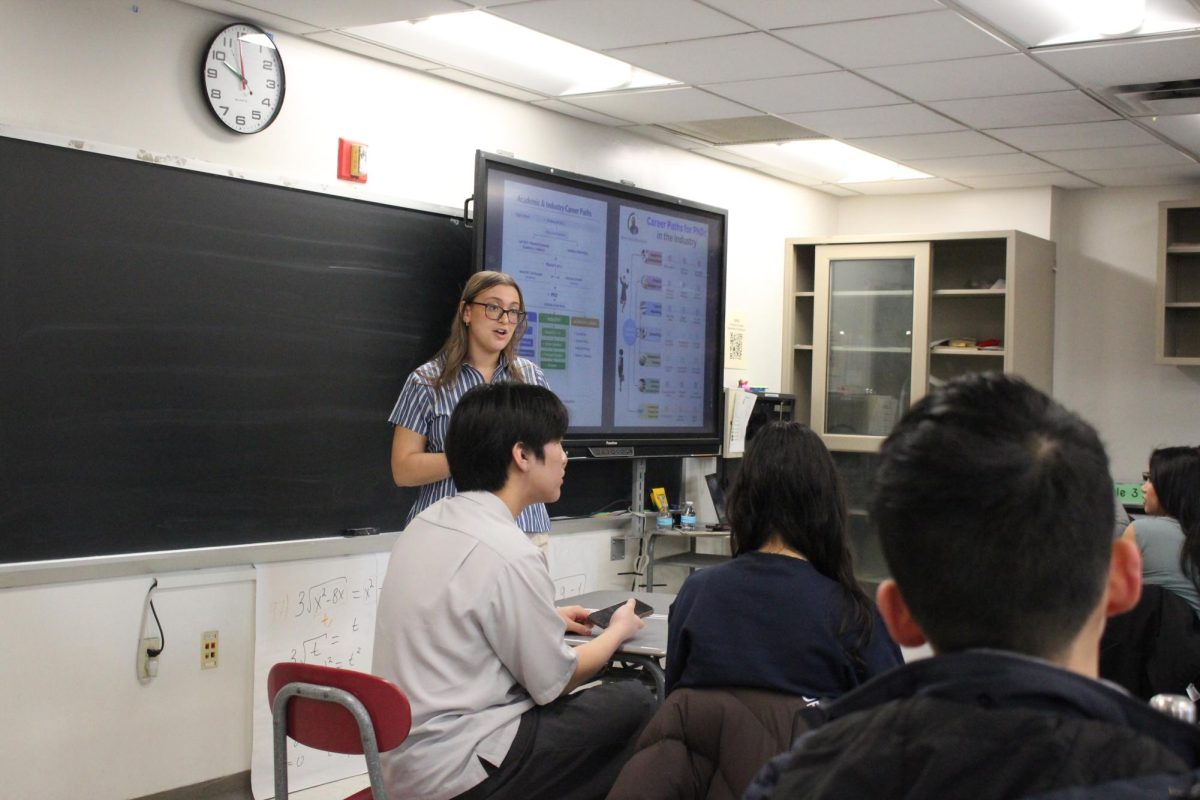
In fact, one of the several planned highlights for SACC is the push to bring in South Asian guest speakers. Mormo Haque, a club member, spoke on how inspiration is “what we need most right now,” particularly due to the lack of South Asian representation in several fields and careers. She goes on to say that “an opportunity to hear about a successful South Asian doctor, artist, scientist, or politician speak about their journey can really inspire someone.”
SACC’s Committee board member Samiha Rahman noted that these talks can help students see that their own goals are attainable. “For South Asian students, who so often haven’t seen themselves represented, just hearing these stories can really be a turning point,” Rahman emphasized. The club’s committee board underlined how, through hearing people’s story and ambitions, their club members can realize that the path they want is actually reachable.
SACC underscores their ambition to turn inspiration into action through their planned cultural workshops and fundraising efforts.
Upon student feedback from the October Townhall and initiatives driven by administration, these cultural workshops will aim to promote diversity and inclusion at QHSS by challenging the idea that “South Asian” represents a singular culture or heritage. An anonymous student expressed that they felt QHSS “failed to represent the many cultures within the South Asian diaspora,” and that society, more broadly, “isolates South Asians, especially dark-skinned ones, based on looks alone.” The student then emphasized that South Asians are a diverse group of people who deserve representation across all regions “no matter what we look like.”
SACC’s current project is to take students on a trip to visit the New York Historical Society’s latest exhibition: The New York Sari. The exhibition highlights the artistry, history, and cultural significance of the sari, while simultaneously underscoring the vast impact South Asians have had on New York City.
Ayesha Khatun, a member of SACC, emphasizes “how having a trip like this would culturally enrich anyone’s perspective on the impact of South Asians, while also giving students to see how South Asians have influenced art, culture, and public life in New York.” The trip is set to take place in late February.
Another initiative of SACC, as briefly mentioned earlier, was to generate money through fundraisers to support South Asian communities in need. Roopjit explains how “the 2025 flooding in Punjab and parts of Pakistan has significantly damaged homes, buildings, and the essential agricultural lifestyle the residents rely on for a living.” From this, SACC is now working toward building a way to provide aid in future crises. They plan to host donation drives and relief fundraisers, to which the proceeds will be donated to charities and organizations who will provide aid in these communities firsthand.
Through these planned out endeavors, SACC emphasizes their aims to empower South Asian identities and heritage while making space for different cultures.