

![[The Lunch Table] Dubai Chocolate Syndrome: When You Try to Be Everything at Once](https://qhsscardinalchronicles.com/wp-content/uploads/2026/02/the-lunch-table.png)
![[The Lunch Table] Milk before cereal? School life over social life?](https://qhsscardinalchronicles.com/wp-content/uploads/2026/02/screenshot-2025-10-17-at-9.26.03-pm-1200x1198.png)








This article was written as of early February.
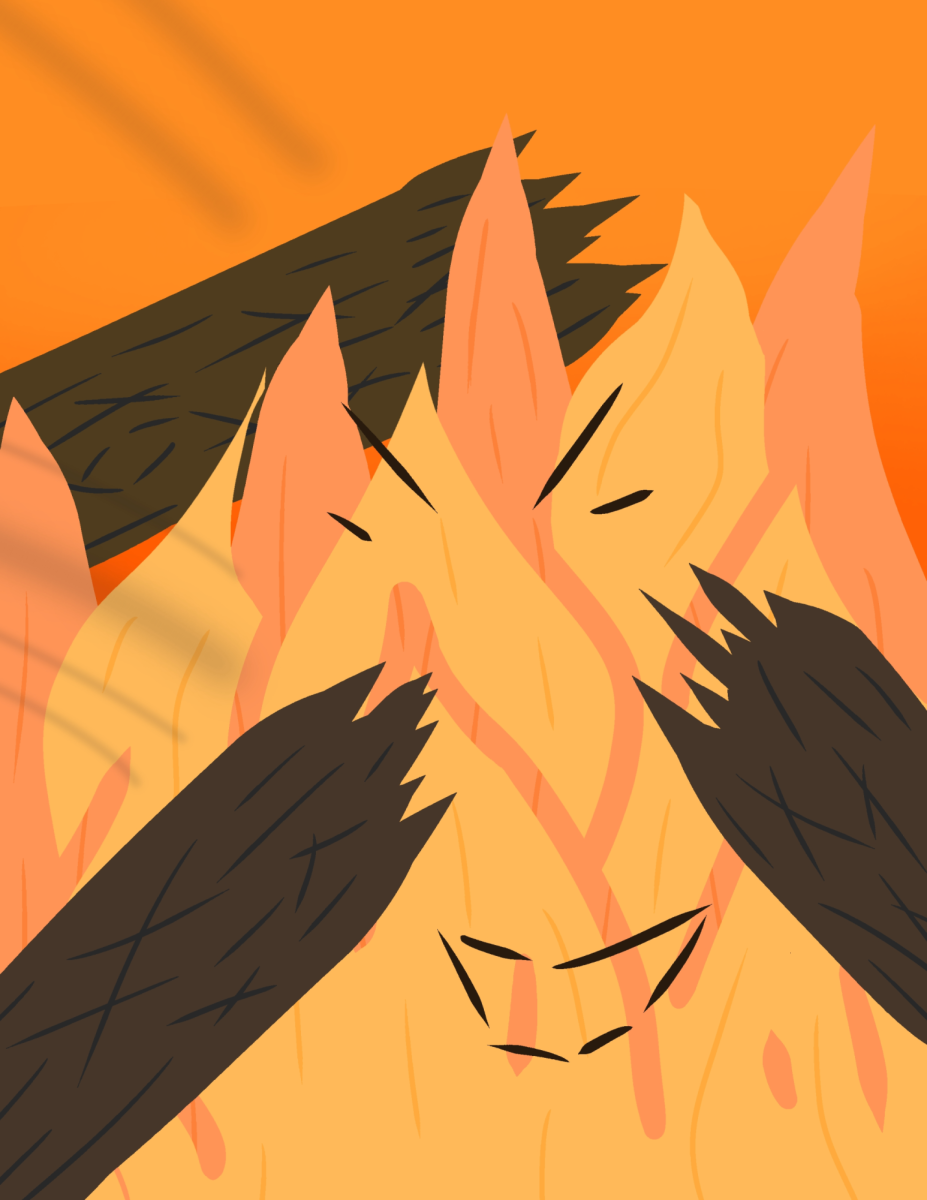
With a few clicks on social media, from word of mouth, or maybe something else entirely, we all heard about the LA fires from January 7. The fires were the second most destructive in California and lasted 24 days destroying buildings and killing people alike with an estimated 16,000 structures destroyed with many homes, landmarks, and businesses gone and a number of 29 casualties.
The cause of the first fire is still unclear with people arguing that a person may have intentionally set things on fire. There were a total of 7 fires over several days from January 7 to 13. The first fire was the Palisades fire, then the Eaton fire, and the Hurst fire on January 7. On January 8 there was the Lidia fire and the sunset fire; and in the days following the Kenneth and Auto fire took place.
Different theories about power wires, hikers, and even arson are all factors people are considering when talking about the causes of the LA fires. One undisputed factor was the weather and circumstances of California when the fires struck. California was going through a drought before the fires started without large amounts of rain since May. Strong winds were reported to go up to 70 mph and coupled with the drought, this enabled fires to spread as quickly as possible within a short period. Not only that, but there are other fires such as the Eaton fire which had an identifiable cause, which were transmission lines. Yet some causes, like the factors behind the Palisades fire, are still to be identified.
Despite the unclear cause of fires, California focuses on next steps to help residents recover from their losses. Governor Gavin Newsome of California deployed 16,000 first responders during the height of the fires and actively supports Californians with daily progression. As early as January 12, he supported rebuilding homes and businesses by signing an executive order that reviews requirements under the California Coastal Act and CEQA to allow victims to start reconstructing. By suspending the California Environmental Quality Act or CEQA, it skips over the review process to expedite progress of rebuilding. He also made preventative measures against price gouging on goods and services so people would have an easier time re-establishing themselves. Many organizations have come forward to aid victims providing relief with food and supplies such as World Vision.
Thanks to the aid of the governor, volunteers, and firefighters, all fires were contained as of February 3, 2025, but restoration and recovery have a long way to go. Roughly about 57,860 acres have been affected and 29 fatalities as of now. Local organizations and the governor are working to aid victims rebuild homes and businesses, and organizations are supplying necessities. Efforts will continue to proceed in the foreseeable future as people go back to their lives.
Current events on the scale of L.A. fires may occur more often than we think and preventive actions must be taken to lessen its destructive outcomes. Only actions taken to prevent or aid such tragedies can make an impact on its victims. To support affected Californians you can inform others online or people around you. Regardless, Californians will be supported and have the ability to sustain themselves through this time to continue onward from the LA fires.