


![[The Lunch Table] Dubai Chocolate Syndrome: When You Try to Be Everything at Once](https://qhsscardinalchronicles.com/wp-content/uploads/2026/02/the-lunch-table.png)
![[The Lunch Table] Milk before cereal? School life over social life?](https://qhsscardinalchronicles.com/wp-content/uploads/2026/02/screenshot-2025-10-17-at-9.26.03-pm-1200x1198.png)








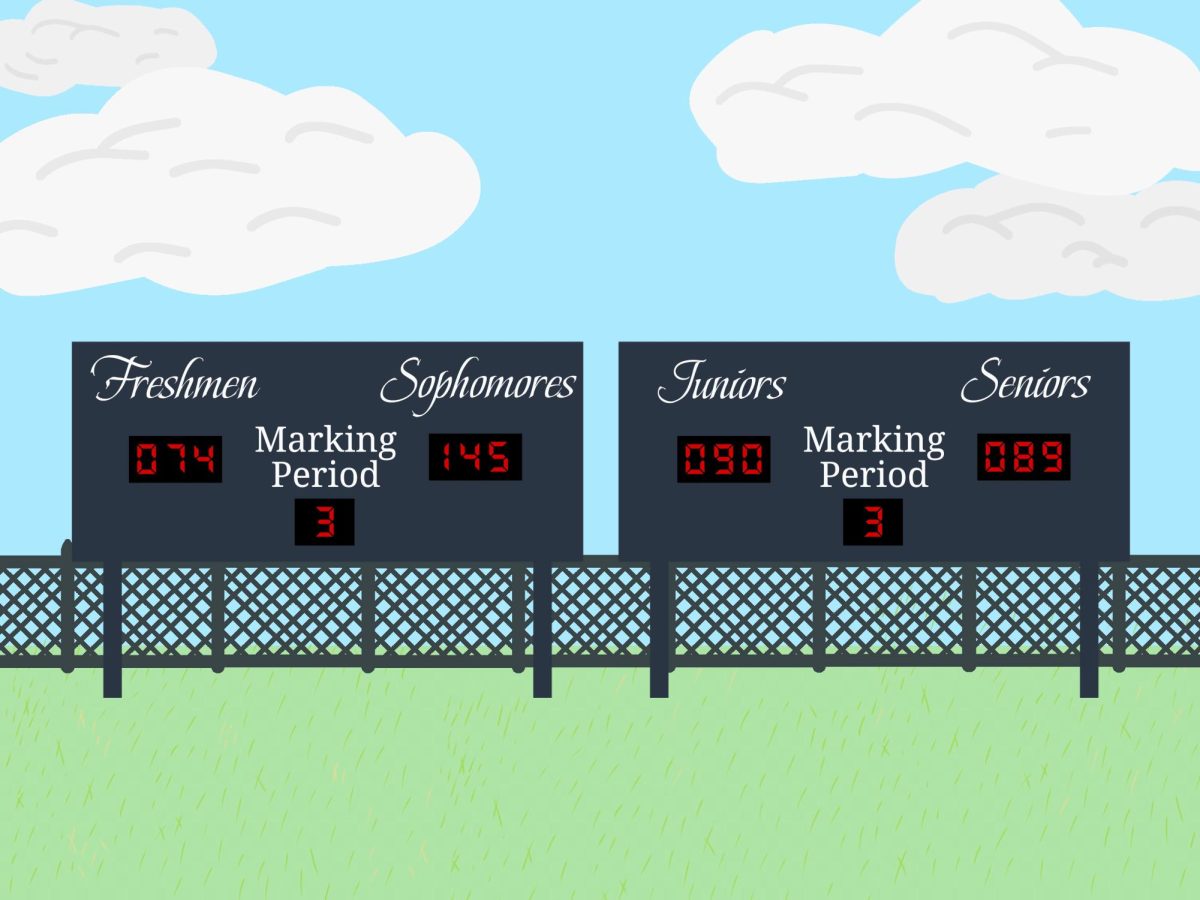
Under the QHSS Student Government Organization’s goal to ensure a fairer election process through democratic representation and merit-based leadership appointments, there have been new revisions made regarding SGO positions and the selection of such roles. The new election process was implemented when determining the Freshmen Board this year.
For clarity, all SGO positions are listed below for easy reference.
2026-2027 QHSS Student Government Organization Positions
Executive Board (Appointed)
SGO President
SGO Vice-President
SGO Secretary Treasurer (Combined Role)
SGO Student Advocate
Executive Officer (Appointed)
Chief of Media and Marketing (COMM) (Formally Social Media & Tech Director)
Senior Class Council (Elected)
Senior President
Senior Vice President
Senior Secretary Treasurer (Combined Role)
Senior Student Advocate
Junior Class Council (Elected)
Junior President
Junior Vice President
Junior Secretary Treasurer (Combined Role)
Junior Student Advocate
Sophomore Class Council (Elected)
Sophomore President
Sophomore Vice President
Sophomore Secretary Treasurer (Combined Role)
Sophomore Student Advocate
Freshman Class Council (Elected)
Freshman President
Freshman Vice President
Freshman Secretary Treasurer (Combined Role)
Freshman Student Advocate
Class Council positions, such as grade-specific presidents, vice-presidents, secretary treasurers, and student advocates, will continue to be determined through student vote. All class councils have been standardized to now hold four members. Freshman through junior councils previously had three roles of president, vice president, and consultative council (CC), while seniors had two additional positions of secretary and treasurer. Under this new structure, the CC role has been rebranded as the student advocate, and the secretary and treasurer positions have been combined into a single role of secretary-treasurer for all class councils.
Similarly, the previously “Concerns Coordinator” (CC) role changed as the scope and impact of the role grew. As described by Mr. Curley, student advocates do more than “simply relay concerns,” but they actively “lead consultative meetings with administration to collaborate on meaningful solutions that address student concerns.” These 2025-2026 SGO student advocates ensure the facilitation of open communication and transparency amongst students, staff, and administration through their organization of monthly townhalls, which are often structured around themes or goals. For instance, this month’s townhall was based on mental health and stress, reflecting the relevancy of finals week, which serves to emphasize how the student advocate plays a more active role in shaping school policy for the students.
These elections will be conducted through a formal process overseen by the Election Committee, which comprises two students from each grade and is appointed by either the SGO Advisor or the school principal.
In contrast, executive-level roles, once decided through votes, will no longer be determined by popular vote. Instead, these positions will be appointed by the COSA through a holistic review that considers leadership experience, commitment, and contributions in SGO and the broader school community. These positions were added to recognize students who demonstrate sustained commitment, reliability, and specialized skills that may not always be reflected through elections alone.
Eligibility for appointed roles requires at least one year of service as a Class Council member so there is clear evidence that the student has previously earned the trust and support of their peers through a democratic election. After this is established, candidates must complete an application submitting their resume, portfolio, and other evidence of their contributions in SGO. In addition, there is a limitation on the number of times a student can serve on the Executive Board. A student may serve an Executive Officer position for more than one year; however, they may only serve on an Executive Board position for only one year. The appointment process for these five positions is currently underway, with applications open until February 22. Once appointments are finalized, the general election season will be initiated.
This revised election process was first implemented during the 2025–2026 freshmen class elections and was led by the chairperson and Chief of Staff of the Election Committee Eric Li and Aiden Ellorin.
The Freshmen Council election process began with the distribution of an application form to prospective freshmen candidates, followed by acceptance emails for all selected applicants and interview invitations limited to presidential and vice-president candidates. These interviews were conducted by the entirety of Election Committee, which generally consisted of three faculty members, the SGO Student Advocate, two appointed freshmen, and other student leadership, with an improved format and fresh questions.
After the interviews, all selected applicants moved onto campaigning. In previous years, campaigning was limited to school premises, and any promotion on social media resulted in immediate disqualification. During the freshmen elections, however, these guidelines were expanded to permit the use of social media.
Aiden noted that “future members could use social media as long as it is done in a friendly manner,” and that this change is intended to make campaigning more realistic and provide candidates with greater autonomy and flexibility.
These expanded campaigning rights for freshmen SGO candidates also restored voting authority to the general freshmen student body, marking a departure from previous years when selections for the Freshmen Board were determined solely by SGO interviews. The 2024-2025 freshmen elections had no specific board positions and were decided after approved candidates were interviewed by the SGO Executive Board and the previous COSA, Ms. Solis.
Furthermore, freshmen presidential candidates participated in a formal debate, during which they addressed current school concerns and demonstrated a clear understanding of student needs. The two candidates were Abigail Ramjas and Lilian Ouyang, whose perspectives on the election are highlighted below.
Abigail notes that the strongest feature of the 2025-2026 freshmen elections was their design “to be less biased, allowing candidates to present their policies and be open to questions.” She explained that it’s this structure that helps to eliminate unnecessary biases, discourages unqualified candidates, and gives students clearer insight into who each candidate was and what they represented. She also emphasized the level of personal engagement presidential candidates, herself included, had with students during the debate, which she said helped voters gain exactly what the election process was designed to give.
Her and Lilian, the current Freshmen President, both share the perspective of this new election cycle being a meaningful step toward increased student voice and representation in its fairer structure. Regardless, both agreed that changes could be made to the process. Lillian said that interviews should not be limited to presidential and vice-presidential candidates, arguing that extending interviews to student advocate candidates would allow for a more comprehensive understanding of those seeking office, and Abigail stressed the importance of having more time to campaign to ensure candidates could “thoroughly plan and execute their campaigns.”
So, as QHSS prepares to enter the upcoming general election season, students can expect a process that differs noticeably from previous years. Further information on election logistics and deadlines will be shared with the student body tentatively after the completion of the appointment process.